
DISARMAMENT AND INTERNATIONAL SECURITY COMMITTEE
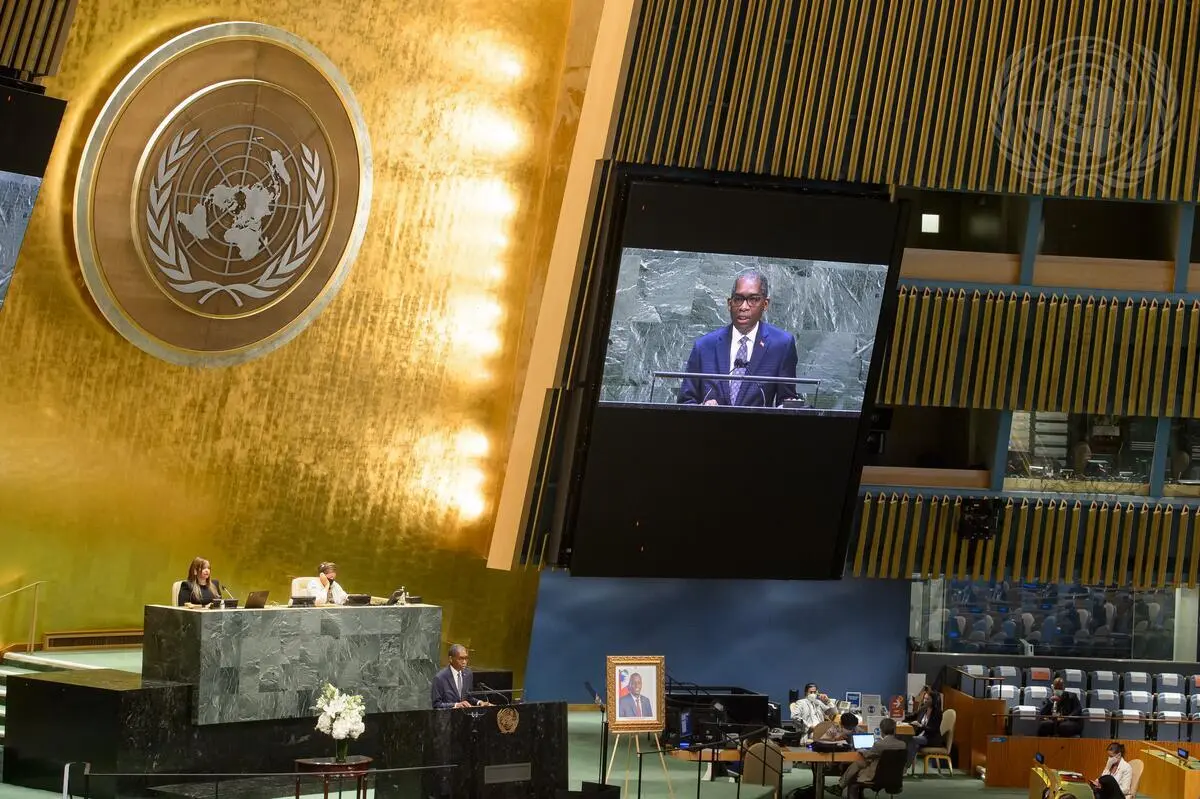
The United Nations General Assembly: Disarmament and Security Council, also called the First Committee, was established in 1945, and deals with regulation of arms of the member-states as well as produces solutions to international peace threats. It considers all disarmament and international security matters within its Charter, and functions alongside the United Nations Disarmament Commission as well as the Geneva-based Conference on Disarmament. Keeping up with the nature of the committee, it will be discussing the establishment of a nuclear-weapon-free zone in the Middle East region, with the steps to achieve this having begun back in 1974, and will be a Beginner committee within Legatio’23.
SPECIAL POLITICAL AND DECOLONISATION COMMITTE
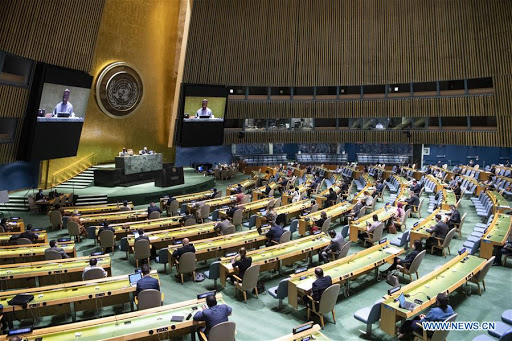
The Fourth Committee covers a wide array of issues, including decolonization, atomic radiation effects, information-related questions, peacekeeping operations, and special political missions like UNRWA and Israeli settlement activities. With ongoing crises in Russia-Ukraine, Israel-Palestine, Yemen, and Syria, the committee's discussions during Legatio'23 are crucial. Encouraging innovative solutions to prevent global conflicts is a top priority. The committee serves as a vital platform for addressing these challenges and fostering international cooperation in peaceful outer space usage.
UNITED NATIONS HUMAN RIGHTS COUNCIL
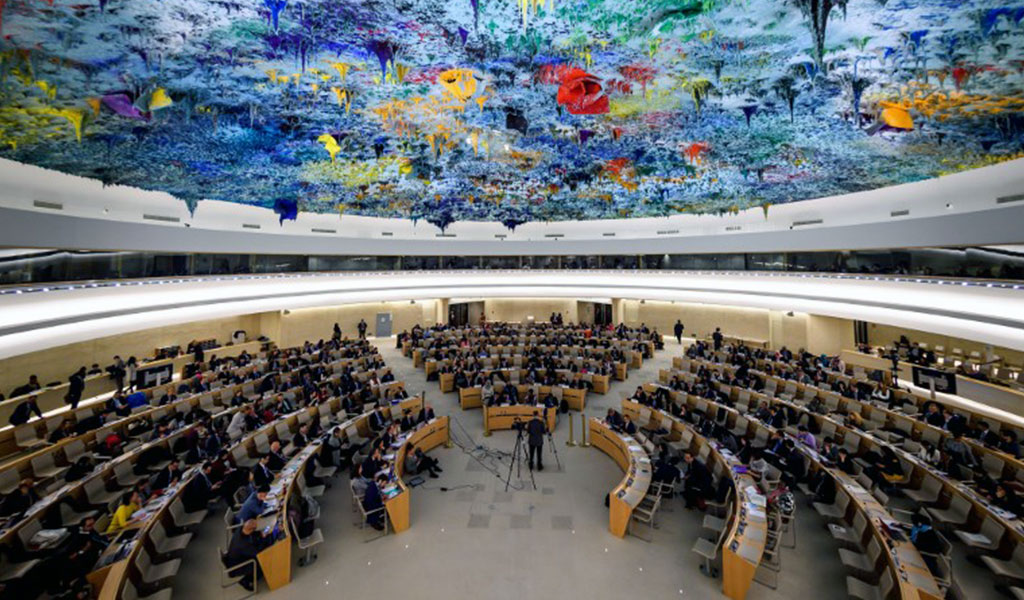
The UNHRC, established in 2006, serves as a principal organ of the United Nations, embodying the commitment of the international community towards ensuring that the fundamental rights and freedoms enshrined in the Universal Declaration of Human Rights are upheld and respected for all individuals, regardless of their nationality, ethnicity, religion, gender, or any other characteristic. Its wide-ranging agenda covers critical areas such as civil, political, economic, social rights, as well as the rights of refugees and migrants, and those of the marginalized and vulnerable groups. This time, this beginner simulation will be discussing the safety of asylum seekers, and the disastrous state, or rather lack thereof, of human rights in regions like Palestine and other occupied Arab territories.
SDG SUMMIT
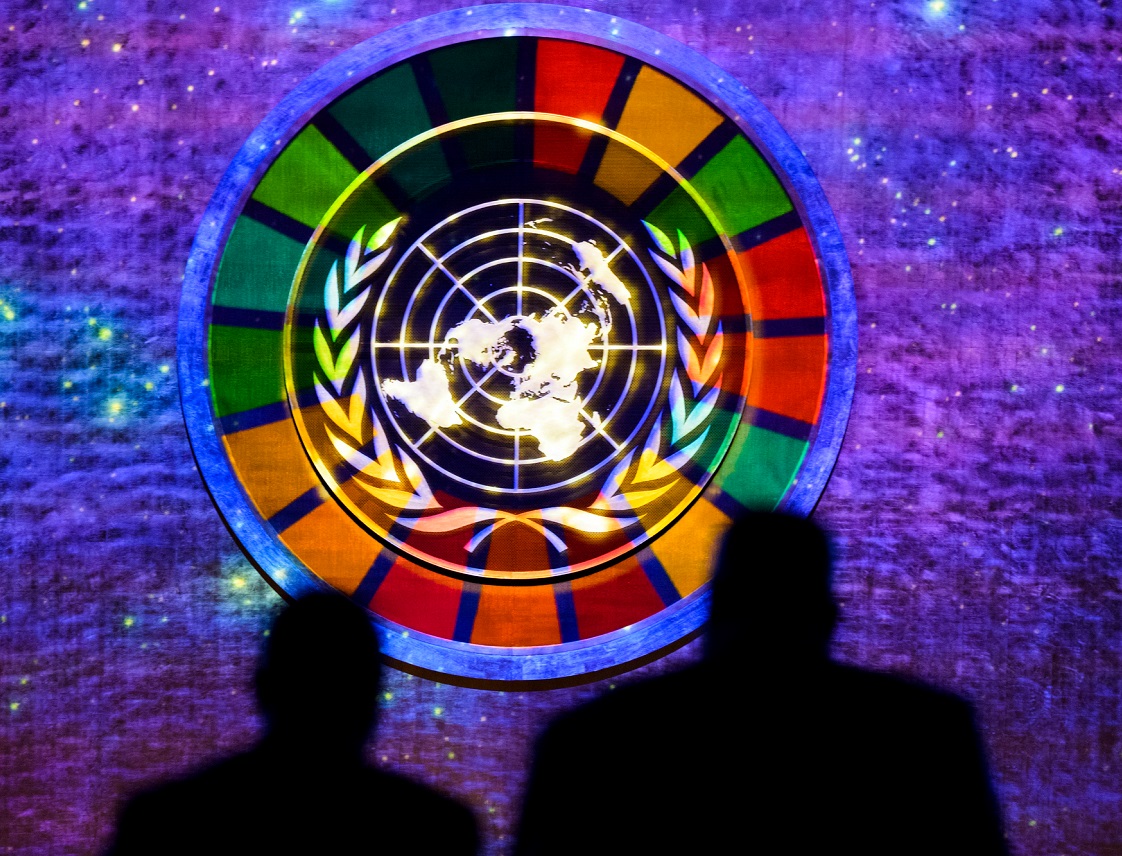
The Sustainable Development Goals (SDGs), adopted by all UN Member States in 2015, provide a comprehensive blueprint for a better world by 2030. These 17 interconnected goals address crucial areas like poverty eradication, education, gender equality, clean energy, sustainable cities, and climate action. The simulation aims to encourage meaningful discussions, diplomacy, and international cooperation to advance the SDGs and create a sustainable future where no one is left behind. This beginner simulation within the capacity of Legatio’23 will be focusing mainly on SDG 2, SDG 6, SDG 11, and SDG 17, which are “zero hunger”, “clean water and sanitation for all”, “sustainable cities and communities”, and “collective action for the propagation of all the goals” respectively.
WORLD HEALTH ASSEMBLY
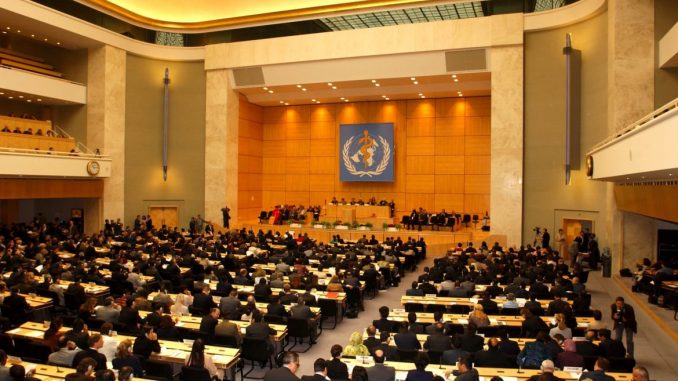
The World Health Assembly is the decision-making body of the WHO, addressing crucial global healthcare issues. Discussions encompass infectious diseases, healthcare infrastructure, equitable access to medicines, and mental health services. Our beginner simulation focuses on strengthening infodemic management prevalent today—an excess of information, including false or misleading content during disease outbreaks, causing confusion and risk-taking behaviors. The agenda's supreme importance is highlighted by the vulnerabilities exposed during the COVID-19 pandemic, making it crucial to address and manage infodemics effectively to safeguard global health.
COMMISSION ON NARCOTIC DRUGS
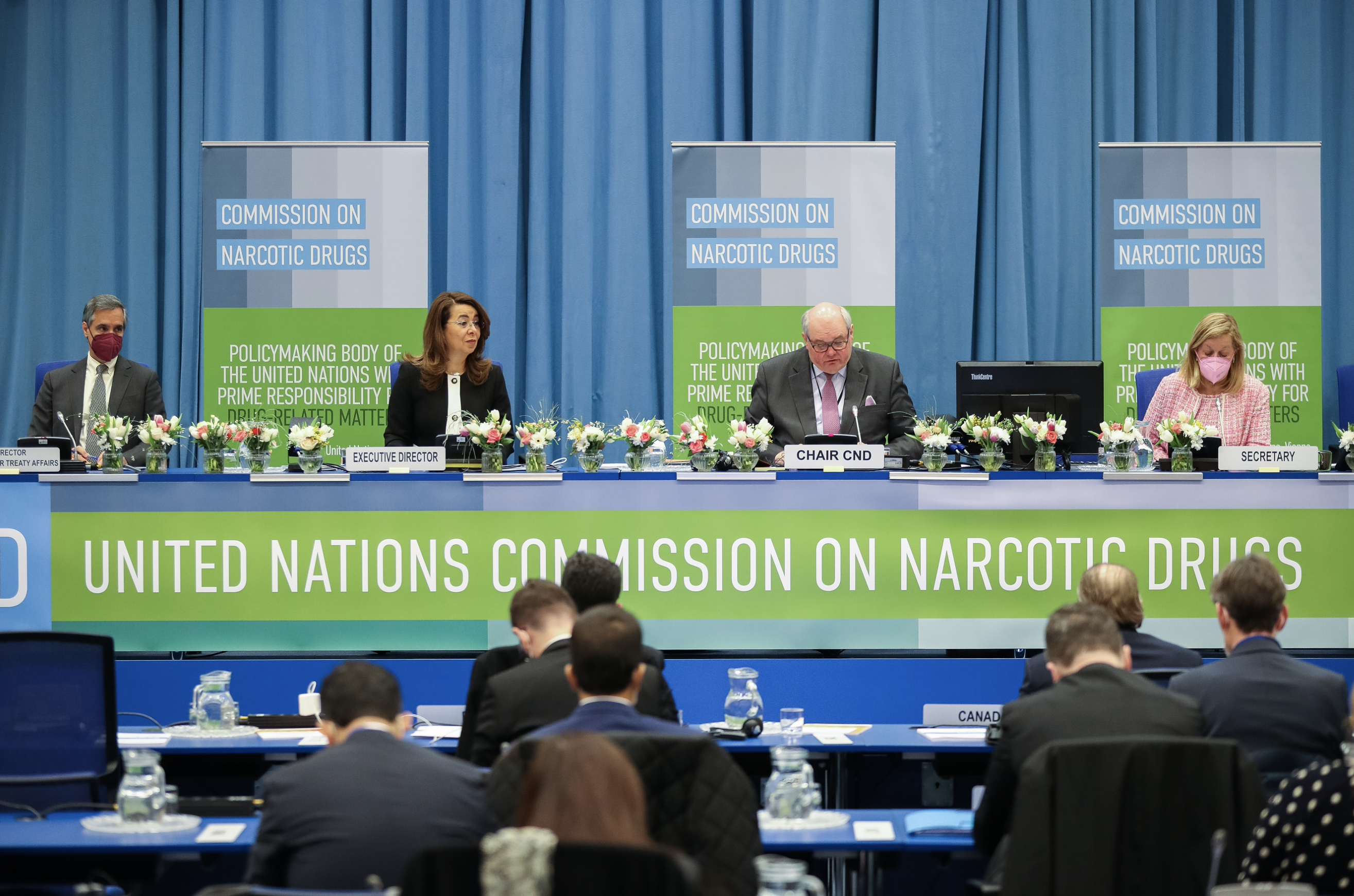
The Economic and Social Council: Commission on Narcotic Drugs (ECOSOC:CND) is a vital United Nations body, responsible for addressing the complex challenges posed by illicit drug use and drug trafficking. Established in 1946, the ECOSOC: CND operates as a subsidiary organ of the Economic and Social Council, with the primary objective of formulating global drug control policies and promoting international cooperation to combat the drug problem. This simulation, which will be an intermediate one, aims to discuss international cooperation to ensure the availability of narcotic drugs and psychotropic substances for medical and scientific purposes while preventing their diversion for illicit use, causing mental and physical harm to those who develop an addiction to the same.
G20 TRADE & INVESTMENT MINISTERS’ MEETING
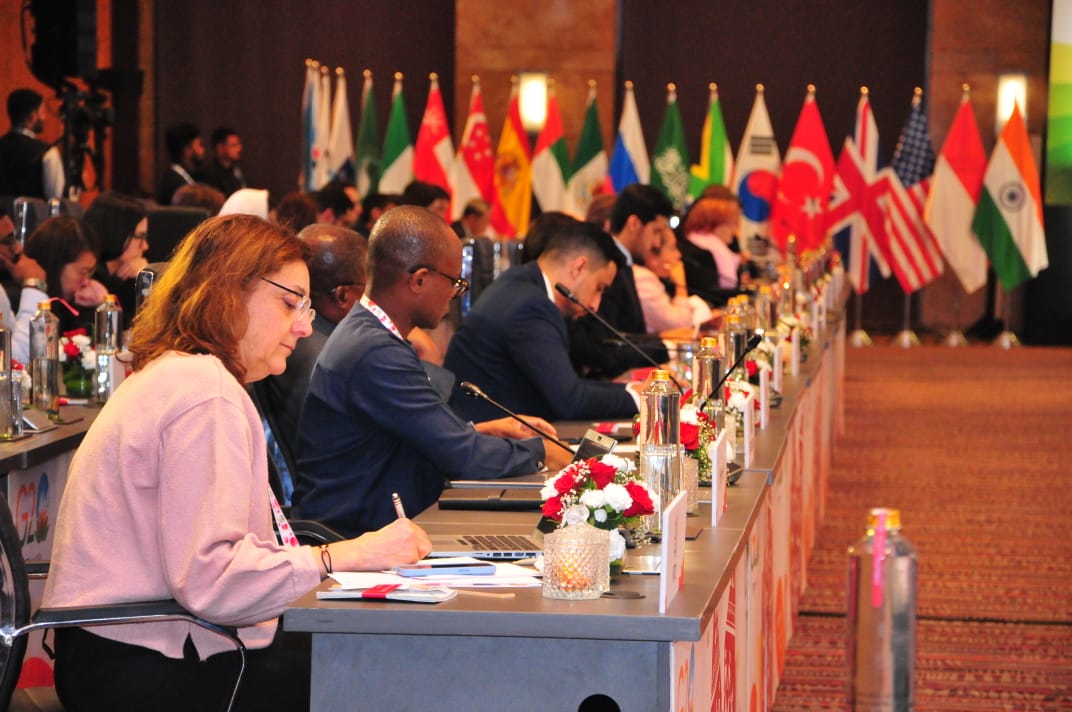
The G20 Trade & Investment Ministers' Meeting gathers representatives from the world's largest economies to address pressing issues related to international trade and investment. As a prominent forum within the G20, it fosters collaboration, strategizing for global economic growth, sustainable development, and overcoming challenges hindering the global economy's stability. The meeting holds immense significance as the G20 represents around 85% of the global gross domestic product (GDP) and two-thirds of the world's population. Our simulation, which will be an intermediate one, aims at working towards a more equitable, transparent and effective World Trade Organisation, which would ideally and essentially result in a world where nations can share equal benefits of international economic transactions.
INTERNATIONAL ATOMIC ENERGY AGENCY
We are thrilled to introduce the IAEA Board Governors Committee, a dynamic platform where you can engage in high-level decision-making and tackle real-world nuclear challenges! The International Atomic Energy Agency (IAEA) is at the forefront of global e orts to ensure the safe, secure, and peaceful use of nuclear energy. As a member of the IAEA Board of Governors Committee, you will play a pivotal role in shaping policies that in uence nations' nuclear programs and foster international cooperation.
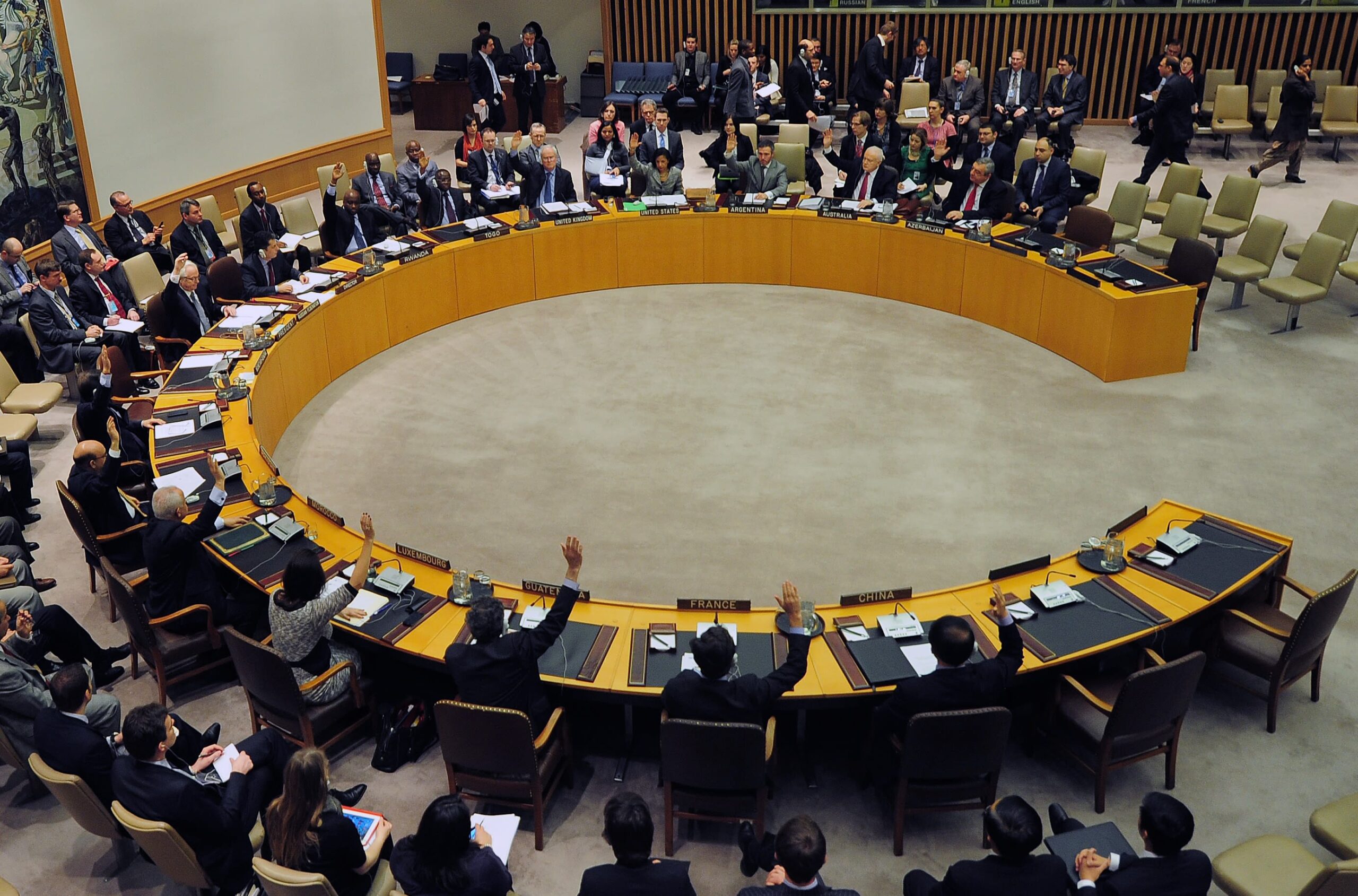
UNITED NATIONS SECURITY COUNCIL
The United Nations Security Council is the primary council responsible for the maintenance of international peace and security. It defines what qualifies as threats to both, and takes measures to mediate cross-border conflicts in a non-violent and diplomatic manner. Imposing sanctions and an urgent use of force in extreme conditions are examples of how the UNSC deals with such disputes. The committee entails 15 members, including the 5 permanent members- USA, UK, China, France and Russia- which hold the veto power. When a resolution is passed, all the Member States are obligated to comply as stated in the UN Charter. Within the capacity of Legatio’23, the UNSC is an advanced committee and will be discussing threats to international peace and security caused by terrorist acts, for example, the current situation in Afghanistan.
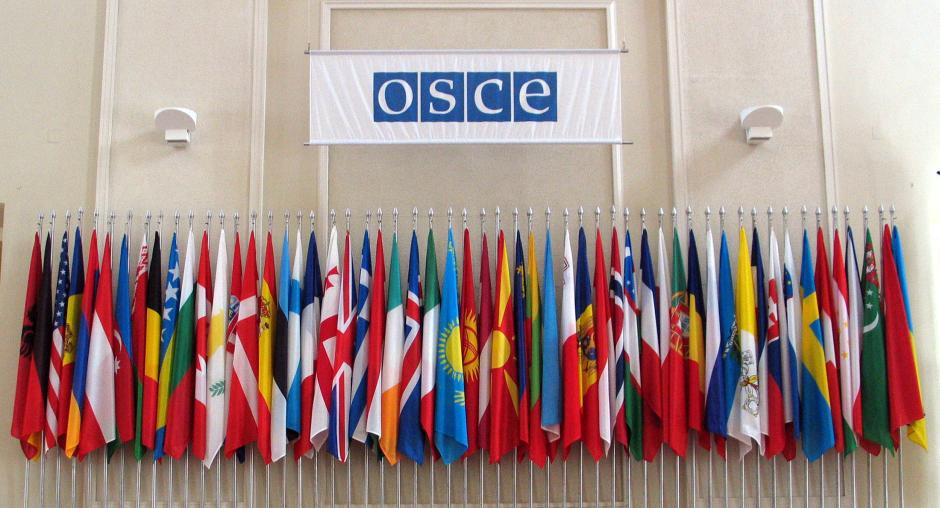
ORGANIZATION OF SECURITY AND CO-OPERATION IN EUROPE
The OSCE Permanent Council is a crucial forum for dialogue and cooperation among participating states in Europe, Central Asia, and North America, focusing on peace and security. It addresses political-military, economic, environmental issues, human rights, and democracy. Key areas include promoting arms control, addressing transnational threats, and fostering inclusive governance and gender equality. Established in 1973, the OSCE serves as the largest regional security organization, providing a unique platform for participating states to exchange views and seek consensus on critical matters. The fundamental principles guiding the OSCE are enshrined in the Helsinki Final Act of 1975. Keeping up with this scope of deliberations, our intermediate simulation will primarily be discussing the maintenance of Euro-Atlantic Peace and Security with special emphasis on the current Ukraine situation.
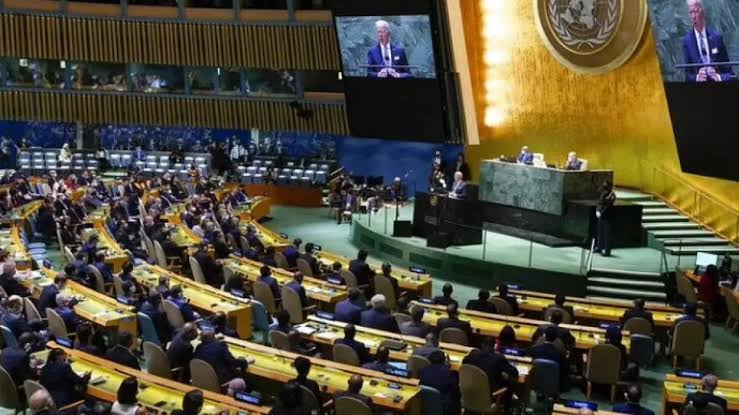
UNITED NATIONS GENERAL ASSEMBLY
ESS holds particular significance, focusing on the promotion of economic and social development, as well as the advancement of sustainable development goals, as it brings together member states, international organizations, and stakeholders to discuss key economic and social challenges facing the international community. Central to the UNGA - ESS segment's agenda is the pursuit of the 2030 Agenda for Sustainable Development. This transformative global framework sets out 17 Sustainable Development Goals (SDGs) and 169 targets, encompassing a wide range of critical issues such as poverty reduction, education, health, gender equality, climate action, and inclusive economic growth. The UNGA-ESS plays a vital role in advancing economic and social development worldwide, and keeping up with the same, our intermediate simulation will be discussing the question of Congo at large.
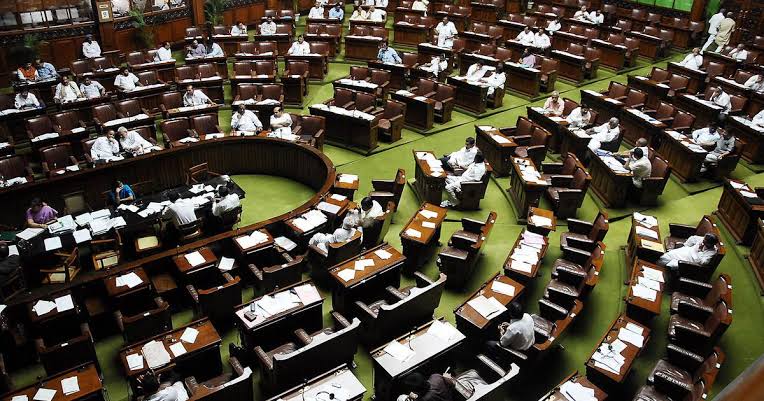
LOK SABHA
The Lok Sabha is the Lower House of the Parliament of India and is the representative body of the people. It holds paramount importance in the democratic framework of India, with its primary responsibility being the representation of the interests and aspirations of the Indian citizens, shaping policies, and passing legislation that contribute to the nation's progress Within Legatio’23, this will be a beginner committee discussing the withdrawal of Personal Data Protection Bill, 2019 and deliberating upon the new draft of the Digital Data Protection Bill, 2022.
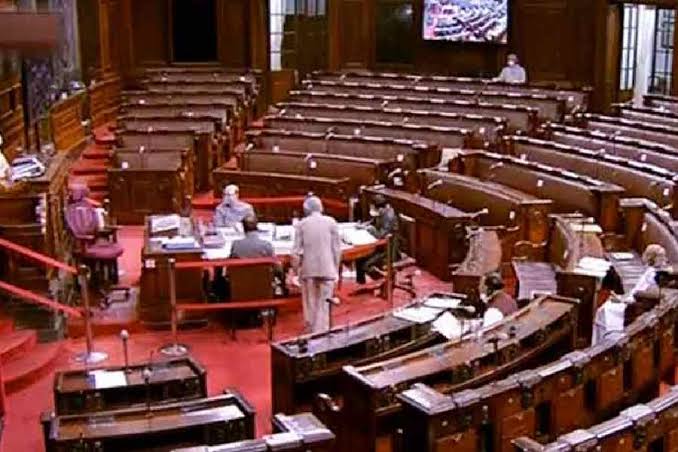
RAJYA SABHA
The Rajya Sabha is the Upper House of the Parliament of India. It plays a vital role in shaping India's legislative landscape, and provides a forum for states and union territories to voice their perspectives on national policies and legislation. It acts as a check and balance mechanism, ensuring that legislative proposals undergo rigorous scrutiny and receive a comprehensive examination from different angles. The Rajya Sabha not only ensures that federal principles are upheld but also protects the interests of minority communities and marginalized sections of society, and our simulation of the same aims to discuss the judicial reforms in India with special emphasis on NJAC and the Collegium System.
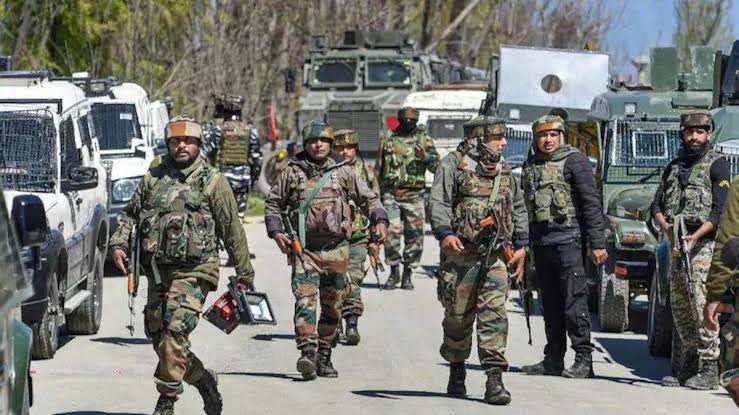
SPECIAL TASK FORCE OF THE GOVERNMENT OF INDIA
The Special Task Force (STF) of the Government of India represents a specialized unit established to address critical and complex challenges that require focused attention, expertise, and coordinated efforts. As an elite force within the governmental framework, the STF operates with the mandate to tackle specific issues of national importance, often involving security, law enforcement, counterterrorism, or other significant matters that demand specialized skills and resources. Their tasks can range from combating organized crime, curbing terrorism and extremism, tackling drug trafficking, addressing cyber threats, or investigating high-profile cases that require specialized expertise and resources.
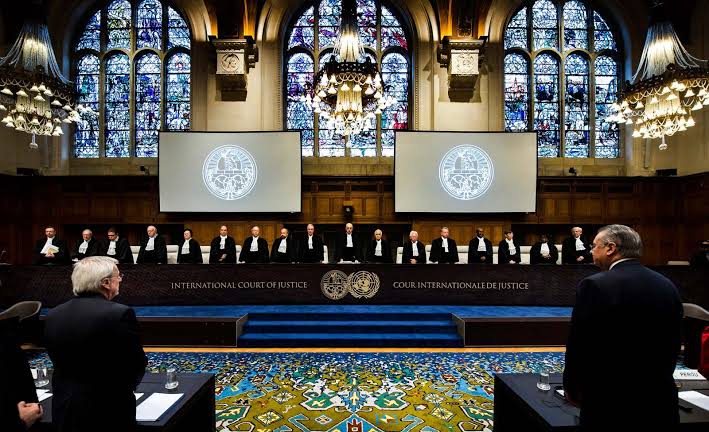
INTERNATIONAL COURT OF JUSTICE
Established in 1945, The International Court of Justice ensures peaceful dispute settlement among nations and upholds the rule of law globally. It consists of 15 judges elected for nine-year terms by the UN General Assembly and Security Council. The Court's primary mandate includes settling legal disputes between states and providing advisory opinions on legal questions referred by UN bodies. Operating on principles of consent and international law application, it interprets treaties, resolves territorial and maritime disputes, addresses human rights issues, and fosters global stability.
INTERNATIONAL CRIMINAL COURT
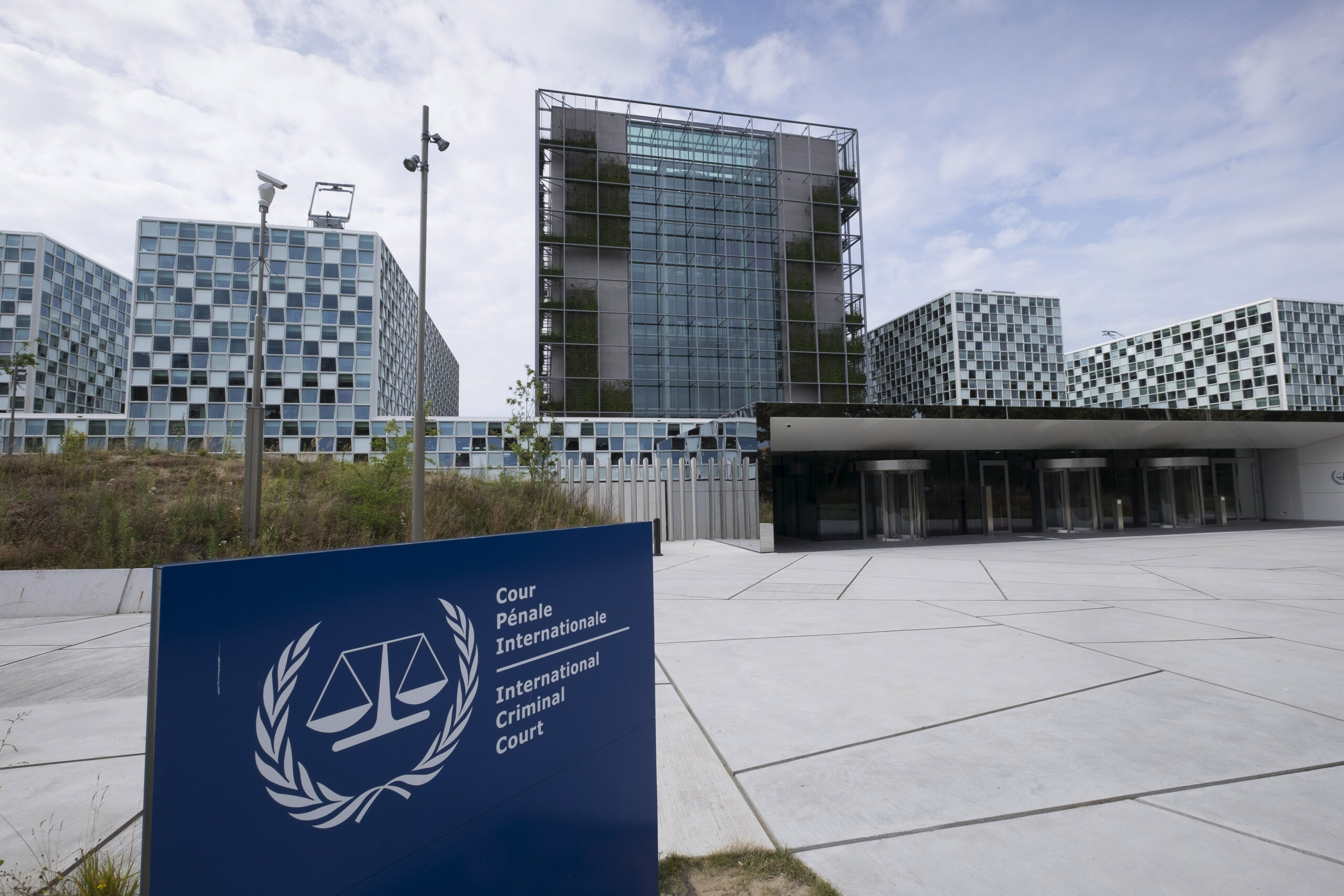
The International Criminal Court (ICC) is also called a court of last resort, and was created by the Rome Statute, which entered into force on July 1, 2002. Its primary mandate is to investigate, prosecute, and try individuals accused of genocide, crimes against humanity and war crimes. One of the fundamental principles of the ICC is the notion of individual criminal responsibility, with its jurisdiction extending to crimes committed by individuals regardless of their official capacity, whether they are government officials, military personnel, or members of armed groups. Overall, it aims to promote and protect global peace and security, and hence, our advanced simulation will be witnessing the case of the Russia-Ukraine conflict.
INTERNATIONAL PRESS
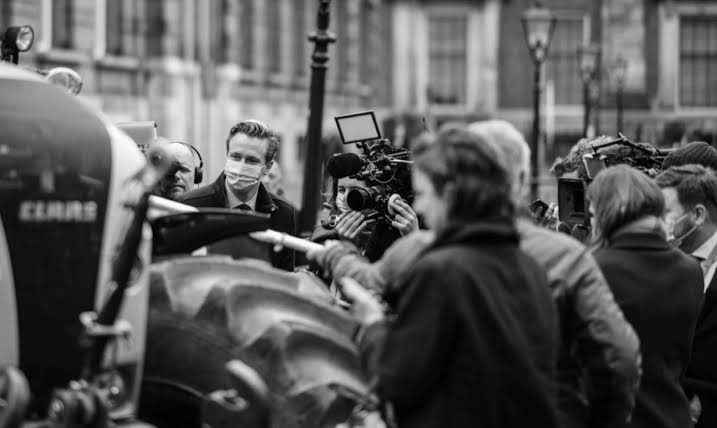
The International Press, often referred to as the "Press Corps" serves as the primary source of news and information within the conference, and acts as a bridge between the simulations and the wider public. The International Press in MUN operates similarly to its real-world counterpart, reporting on diplomatic discussions, debates, and negotiations taking place among the participating delegates. Press Members are assigned different roles, such as journalists, photographers, and caricature artists. Photographers and Caricaturists source the visual element of newsletters, as they capture key moments through their lenses, while the journalistic elements engage in live reporting, interviews, and writing detailed articles for the same. Through their reports and analysis, the Press Corps helps shed light on diverse perspectives, policy proposals, and potential solutions that emerge during the conference, and hold the delegates accountable for what they say in their respective simulations through Press Stakeouts.